The Kitchen Bench
Magimix 5200XL Food Processor Review (2027)
An evidence-based look at the Magimix 5200XL Food Processor: what it is, what to check before buying, who it suits, and the alternatives worth comparing.
By The Kitchen Bench Research Team · Updated for 2027 · Independent · Reader-supported · No paid placements
✓ Specs checked
✓ Claims verified
✓ No paid placements
✓ Sources cited
On this page
- 01Bench take
- 02What this product is
- 03Inside the food processor
- 04Pros and cons
- 05Key decisions for this category
- 06What to verify before buying
- 07How to buy it right
- 08Common mistakes to avoid
- 09Who it suits — and who should skip it
- 10Also consider
- 11In this category
- 12Frequently asked questions
- 13Ready to buy?
Bench take
The Magimix 5200XL Food Processor is Magimix’s entry in the food processors category. On the category’s key decisions — bowl capacity, blade and disc set, motor strength, feeding and safety — it deserves a place on any shortlist, provided the checks below confirm it fits your kitchen, your batch size and your care tolerance. This review does not claim hands-on laboratory testing: it assesses the product from its category, its maker’s line and the specifications buyers should verify on the manufacturer sheet for the exact variant they are buying.
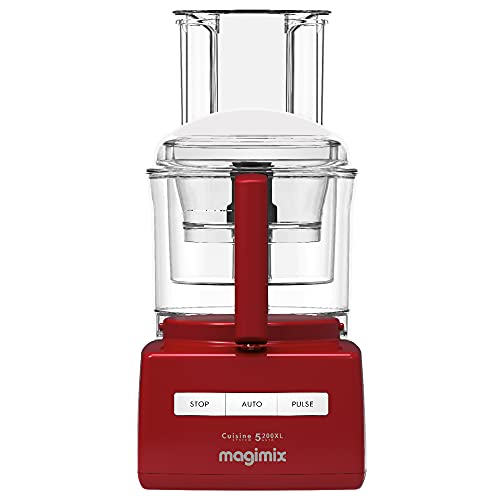
Check price on Amazon →Compare all food processors
Prices and availability change — the retailer page shows the current price for your exact variant. If the variant, size or colour differs from what you wanted, do not order it on price alone.
What this product is
A food processor chops, slices, shreds, kneads and purees — the prep machine for cooks who make dough, shred vegetables or process large quantities. Bowl size and blade set decide whether it earns its counter or cupboard space. Within that category, the Magimix 5200XL Food Processor sits as Magimix’s offering. The name itself tells you the most reliable facts — brand, product line and, where stated, size or capacity. Anything beyond that — exact dimensions, materials, warranty terms, care instructions — should be confirmed on the manufacturer sheet for your exact variant, because retailer listings for the same product frequently disagree.
Inside the food processor
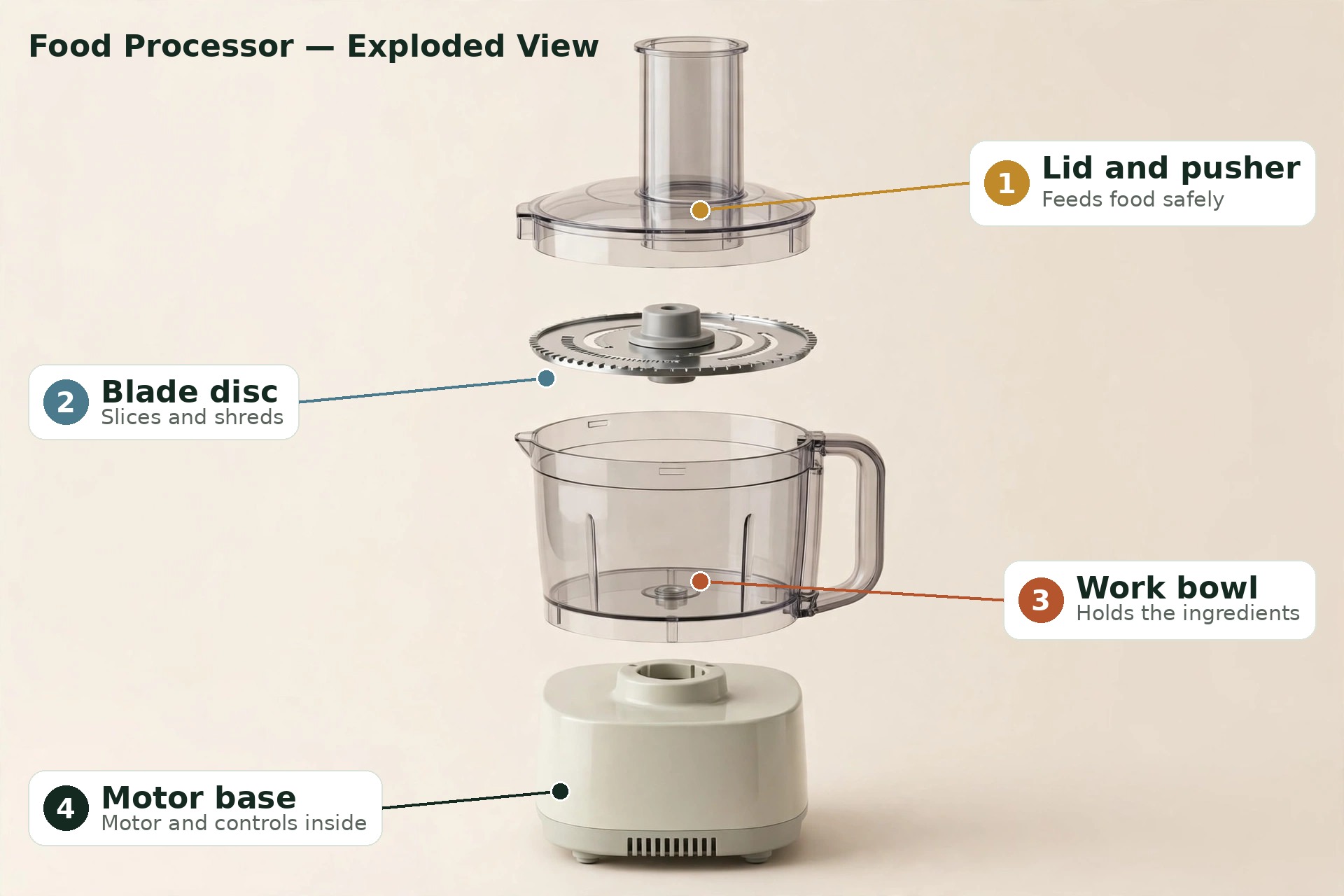
Illustrative exploded view — parts shown separated so you can see how it fits together. Not a photo of this exact product.
Key decisions for this category
Bowl capacity
A bowl that is too small for your dough or batch forces double work. A bowl that is too large processes small amounts poorly.
Blade and disc set
Slicing and shredding discs, a dough blade and a chopping blade cover most cooking. Extra discs you never fit are clutter.
Motor strength
Dough and dense mixtures strain weak motors. If you knead regularly, motor strength matters more than speed settings.
Feeding and safety
A wide feed tube handles whole vegetables; a good safety lock stops the machine the moment the lid lifts.
What to verify before buying
Before you buy the Magimix 5200XL Food Processor
- ✓ Bowl capacity against your usual batch
- ✓ Included blades and discs
- ✓ Motor strength for dough if you knead
- ✓ Feed tube width and safety lock design
Where the manufacturer sheet and a retailer listing conflict, this site follows the manufacturer sheet and flags the conflict. Never buy a food processor on a single specification from a single listing.
Pros and cons — at a glance
These are the honest trade-offs for this type of food processor, not a score. The strengths are what the category does well when the size and care needs fit; the watch-outs are the checks that decide whether this particular food processor fits your kitchen.
What it does well
- ✓ Fits the food processors use case when bowl capacity and blade and disc set are checked first.
- ✓ From Magimix, a maker whose line is built around this category — spare parts, care guidance and variant information are easier to verify than for a no-name listing.
- ✓ The name states the key facts (brand, line and, where stated, size) — so you can match it to the manufacturer sheet before ordering.
What to watch
- ✗ Uneven chopping — check this before buying, not after unboxing.
- ✗ Dough climbs the blade — check this before buying, not after unboxing.
- ✗ Leaks from the bowl — check this before buying, not after unboxing.
- ✗ Retailer listings for the same product frequently disagree on size, capacity or care — verify the exact variant on the manufacturer sheet.
How to buy it right — in 5 steps
- 1. Measure first. Check your counter, hob, cupboard and storage against the manufacturer dimensions for the exact variant — not the roundup photo.
- 2. Match the batch. Size and capacity should fit your usual cooking, not your largest party. A food processor that is too big wastes space; one that is too small forces second batches.
- 3. Check the variant. Colour, size and included accessories change the price and the fit. Confirm the variant name on the retailer page matches the one you checked.
- 4. Run the verify checks below. Bowl capacity against your usual batch; Included blades and discs; Motor strength for dough if you knead; Feed tube width and safety lock design. If any check fails, pick an alternative from the list below instead of hoping it will work out.
- 5. Check returns before ordering. Confirm the retailer return window for your variant, so a wrong size or a damaged arrival is a swap, not a loss.
VIP pick — the winner is inside2027
Still deciding? Reveal the No. 1 pick.
The ranked roundup hides its winner until you tap — then shows the full ranking, the checks, and what to verify before buying.
Best Food Processors →Browse all reviews
Independent · Reader-supported · No paid placements — every pick links to its full review.
 The winner is inside
Common mistakes to avoid
Uneven chopping
Pulse in short bursts instead of running continuously. Continuous running purees the bottom while the top stays chunky.
Dough climbs the blade
Too little dough for the bowl, or too wet a dough. Scale the batch to the bowl and add flour gradually.
Leaks from the bowl
Overfilling or a worn seal. Fill below the marked line and check the seal for cracks.
Lid will not lock
Food or dough on the rim stops the lock. Wipe the rim clean before closing.
Who it suits — and who should skip it
Best for
Cooks choosing food processors who prioritise bowl capacity and blade and disc set, and who have verified the product’s size, capacity and care needs against their kitchen.
Skip if
You need a different size or capacity, you cannot meet its care or cleaning needs, or the verified specifications do not match your hob, counter or storage. In that case, compare the alternatives below before deciding.
Also consider
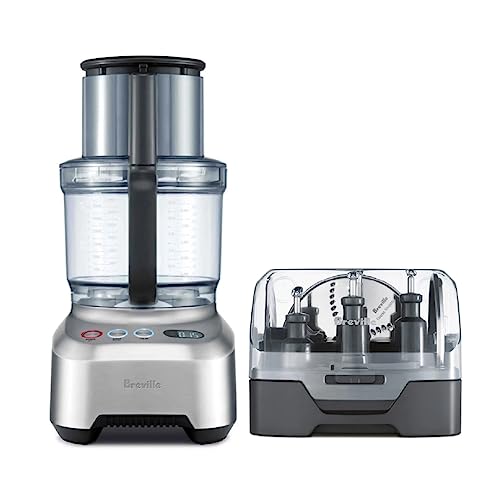
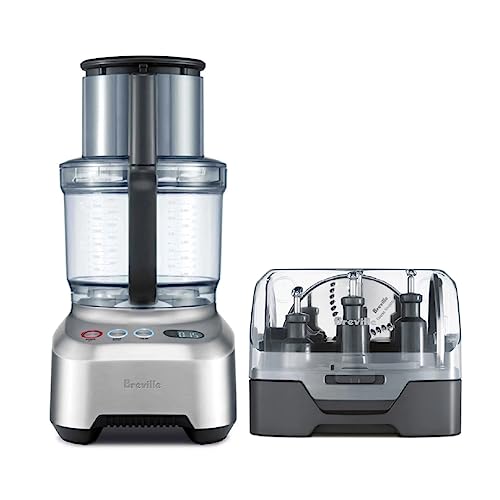
Food Processors
Breville Sous Chef 16 BFP800XL
Full review — what to verify before buying, who it suits, and the alternatives worth comparing.
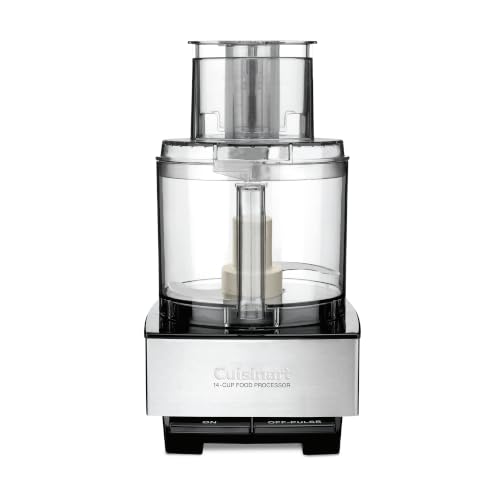
Food Processors
Cuisinart Custom 14 DFP 14N
Full review — what to verify before buying, who it suits, and the alternatives worth comparing.
Food Processors
KitchenAid 13 Cup KFP1318
Full review — what to verify before buying, who it suits, and the alternatives worth comparing.
In this category
The full food processors cluster — the hub, the ranked best list, the buying guide, the problems-and-fixes article, and the use-case picks for this category.
Frequently asked questions
Can a food processor knead dough?
Yes, with a dough blade and a motor strong enough for the batch size. It is faster than hand kneading but less gentle.
Is it better than a blender for chopping?
Yes — pulses give control, and the wide bowl handles dry ingredients a blender cannot.
How do I clean it?
Most bowls, lids and blades are dishwasher-safe; the base wipes clean. Dry blades promptly to protect the edge.
Ready to buy?
If the checks above pass — size, capacity, care and variant all match your kitchen — this is the point to order. If any check fails, go back to the alternatives below instead of buying on hope.