The Kitchen Bench
Zyliss Easi Can Review (2027)
An evidence-based look at the Zyliss Easi Can: what it is, what to check before buying, who it suits, and the alternatives worth comparing.
By The Kitchen Bench Research Team · Updated for 2027 · Independent · Reader-supported · No paid placements
✓ Specs checked
✓ Claims verified
✓ No paid placements
✓ Sources cited
On this page
- 01Bench take
- 02What this product is
- 03Inside the electric can opener
- 04Pros and cons
- 05Key decisions for this category
- 06What to verify before buying
- 07How to buy it right
- 08Common mistakes to avoid
- 09Who it suits — and who should skip it
- 10Also consider
- 11In this category
- 12Frequently asked questions
- 13Ready to buy?
Bench take
The Zyliss Easi Can is Zyliss’s entry in the electric can openers category. On the category’s key decisions — cutting mechanism, stability, one-touch operation, cleaning — it deserves a place on any shortlist, provided the checks below confirm it fits your kitchen, your batch size and your care tolerance. This review does not claim hands-on laboratory testing: it assesses the product from its category, its maker’s line and the specifications buyers should verify on the manufacturer sheet for the exact variant they are buying.
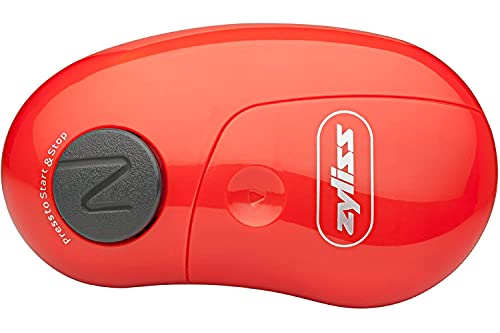
Check price on Amazon →Compare all electric can openers
Prices and availability change — the retailer page shows the current price for your exact variant. If the variant, size or colour differs from what you wanted, do not order it on price alone.
What this product is
An electric can opener opens cans hands-free, which matters most for arthritis, weak grip or high-volume kitchens. Cutting mechanism, stability and how it handles the lid decide whether it is a help or a hassle. Within that category, the Zyliss Easi Can sits as Zyliss’s offering. The name itself tells you the most reliable facts — brand, product line and, where stated, size or capacity. Anything beyond that — exact dimensions, materials, warranty terms, care instructions — should be confirmed on the manufacturer sheet for your exact variant, because retailer listings for the same product frequently disagree.
Inside the electric can opener
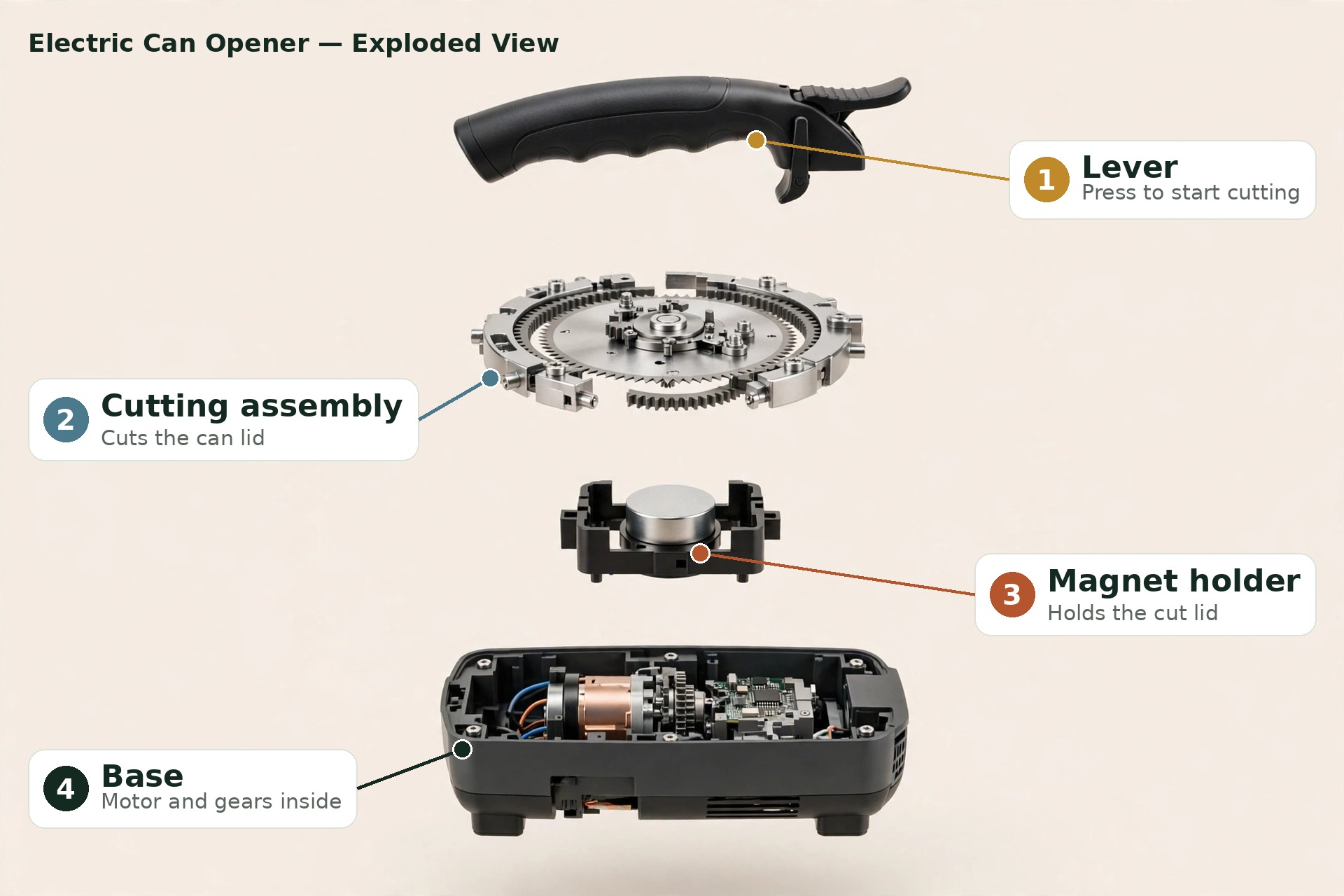
Illustrative exploded view — parts shown separated so you can see how it fits together. Not a photo of this exact product.
Key decisions for this category
Cutting mechanism
Side-cut openers leave a smooth rim and a lid you can lift off; top-cut openers are traditional but leave a sharp edge. Side-cut is safer.
Stability
A tall or heavy can needs a stable base. A lightweight opener that walks across the counter is worse than a manual one.
One-touch operation
A single lever or button matters if grip is the reason you bought it. Fiddly latches defeat the purpose.
Cleaning
A cutting wheel that wipes clean and does not trap food keeps the opener hygienic.
What to verify before buying
Before you buy the Zyliss Easi Can
- ✓ Cutting mechanism and rim safety
- ✓ Stability with tall and heavy cans
- ✓ One-touch operation for your grip
- ✓ Wheel cleaning access
Where the manufacturer sheet and a retailer listing conflict, this site follows the manufacturer sheet and flags the conflict. Never buy a electric can opener on a single specification from a single listing.
Pros and cons — at a glance
These are the honest trade-offs for this type of electric can opener, not a score. The strengths are what the category does well when the size and care needs fit; the watch-outs are the checks that decide whether this particular electric can opener fits your kitchen.
What it does well
- ✓ Fits the electric can openers use case when cutting mechanism and stability are checked first.
- ✓ From Zyliss, a maker whose line is built around this category — spare parts, care guidance and variant information are easier to verify than for a no-name listing.
- ✓ The name states the key facts (brand, line and, where stated, size) — so you can match it to the manufacturer sheet before ordering.
What to watch
- ✗ It stops halfway around the can — check this before buying, not after unboxing.
- ✗ The lid falls into the can — check this before buying, not after unboxing.
- ✗ It will not grip the can — check this before buying, not after unboxing.
- ✗ Retailer listings for the same product frequently disagree on size, capacity or care — verify the exact variant on the manufacturer sheet.
How to buy it right — in 5 steps
- 1. Measure first. Check your counter, hob, cupboard and storage against the manufacturer dimensions for the exact variant — not the roundup photo.
- 2. Match the batch. Size and capacity should fit your usual cooking, not your largest party. A electric can opener that is too big wastes space; one that is too small forces second batches.
- 3. Check the variant. Colour, size and included accessories change the price and the fit. Confirm the variant name on the retailer page matches the one you checked.
- 4. Run the verify checks below. Cutting mechanism and rim safety; Stability with tall and heavy cans; One-touch operation for your grip; Wheel cleaning access. If any check fails, pick an alternative from the list below instead of hoping it will work out.
- 5. Check returns before ordering. Confirm the retailer return window for your variant, so a wrong size or a damaged arrival is a swap, not a loss.
VIP pick — the winner is inside2027
Still deciding? Reveal the No. 1 pick.
The ranked roundup hides its winner until you tap — then shows the full ranking, the checks, and what to verify before buying.
Best Electric Can Openers →Browse all reviews
Independent · Reader-supported · No paid placements — every pick links to its full review.
 The winner is inside
Common mistakes to avoid
It stops halfway around the can
A dull wheel, a dented can or a misaligned start. Reposition and restart; replace a dull wheel.
The lid falls into the can
That is a top-cut opener's habit. A side-cut opener or a magnetic lid holder prevents it.
It will not grip the can
The can rim may be damaged or the wrong size. Check the opener's rated can sizes.
Food on the cutting wheel
Wipe the wheel after use. Dried food dulls cutting and harbours bacteria.
Who it suits — and who should skip it
Best for
Cooks choosing electric can openers who prioritise cutting mechanism and stability, and who have verified the product’s size, capacity and care needs against their kitchen.
Skip if
You need a different size or capacity, you cannot meet its care or cleaning needs, or the verified specifications do not match your hob, counter or storage. In that case, compare the alternatives below before deciding.
Also consider
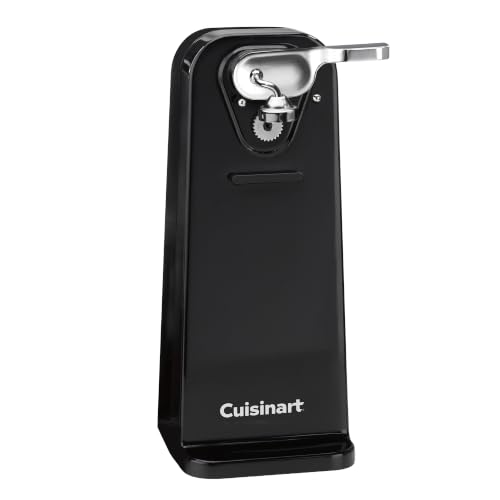
Electric Can Openers
Cuisinart CCO 50N
Full review — what to verify before buying, who it suits, and the alternatives worth comparing.
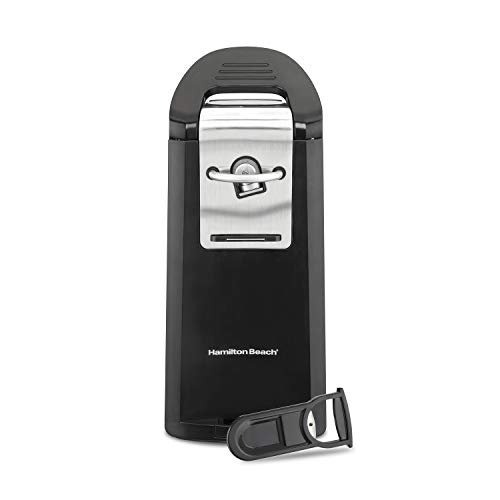
Electric Can Openers
Hamilton Beach Smooth Touch
Full review — what to verify before buying, who it suits, and the alternatives worth comparing.
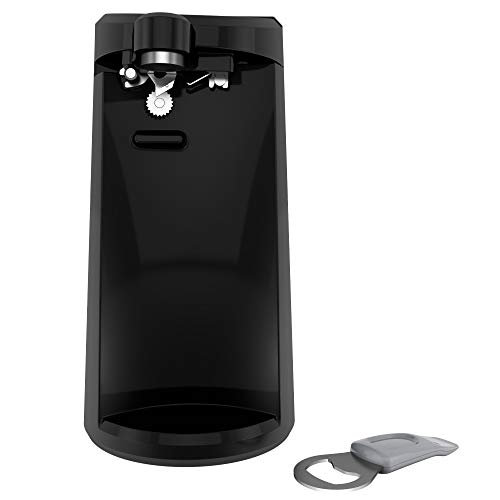
Electric Can Openers
BLACK+DECKER EasyCut Extra-Tall Can Opener EC500B
Full review — what to verify before buying, who it suits, and the alternatives worth comparing.
In this category
The full electric can openers cluster — the hub, the ranked best list, the buying guide, the problems-and-fixes article, and the use-case picks for this category.
Frequently asked questions
Are electric can openers safer than manual?
Side-cut models leave smooth rims, which is safer. Top-cut models leave sharp edges like manual openers.
Do they handle all can sizes?
Most handle standard cans; very small or very large cans may not fit. Check the rated range.
How do I clean one?
Wipe the cutting wheel after use and wash removable parts as directed. Never submerge the base.
Ready to buy?
If the checks above pass — size, capacity, care and variant all match your kitchen — this is the point to order. If any check fails, go back to the alternatives below instead of buying on hope.