The Kitchen Bench
John Boos Maple 18 vs Teakhaus Edge Grain 20 in 2027
Head-to-head: what actually differs between the John Boos Maple 18 and the Teakhaus Edge Grain 20, who should pick each, and the checks that settle it.
By The Kitchen Bench Research Team · Updated for 2027 · Independent · Reader-supported · No paid placements
✓ Specs checked
✓ Claims verified
✓ No paid placements
✓ Sources cited
On this page
At a glance
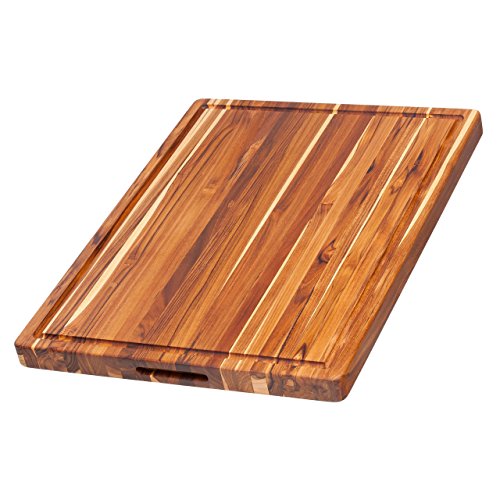
Retailer product image
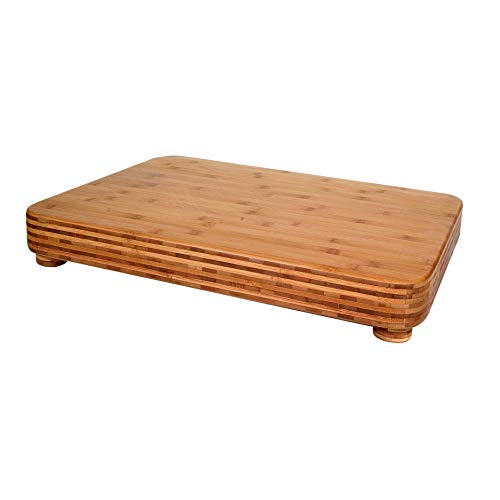
Retailer product image
| John Boos Maple 18 | Teakhaus Edge Grain 20 | |
|---|---|---|
| Brand | John Boos | Teakhaus |
| Category | Cutting Boards | Cutting Boards |
| Size stated in the name | Not stated in the name | Not stated in the name |
| Full review | Read the review | Read the review |
What actually differs
These are two different makers’ answers to the same job — cutting boards. The honest differences are the ones you can verify: brand and product line, size or capacity where the name states it, and how each one scores on the category’s key decisions below. This comparison does not invent specifications for either product: where a figure matters, verify it on each maker’s sheet for the exact variant you are buying, because retailer listings for the same product frequently disagree.
Material
End-grain wood is kindest to edges and self-heals small cuts. Plastic is practical and sanitary. Bamboo is hard and can dull edges faster.
Size
A board that is too small forces food off the edge. Size for your largest regular task, not your smallest.
Juice groove and grip
A groove catches meat juices; rubber feet or a damp cloth underneath stop sliding. Both matter for safety.
Separate boards
One board for meat and one for produce prevents cross-contamination. Colour-coding helps.
Who should pick which
Pick the John Boos Maple 18 if
Its verified size, capacity and care needs match your kitchen, and John Boos’s design priorities suit the way you cook. Compare it against the decisions above, not against the other product’s marketing.
Pick the Teakhaus Edge Grain 20 if
Its verified size, capacity and care needs match your kitchen better, or Teakhaus’s approach fits your cooking. The right choice is the one whose verified specifications match your use — not the one with the longer feature list.
VIP pick — the winner is inside2027
Still deciding? Reveal the No. 1 pick.
The ranked roundup hides its winner until you tap — then shows the full ranking, the checks, and what to verify before buying.
Best Cutting Boards →Browse all reviews
Independent · Reader-supported · No paid placements — every pick links to its full review.
 The winner is inside
What to verify before buying
Check for both products
- ✓ Material for your knife care and hygiene needs
- ✓ Size for your largest task
- ✓ Juice groove and non-slip features
- ✓ Whether you need separate meat and produce boards
Frequently asked questions
Is wood or plastic more hygienic?
Both are safe when cleaned properly. Wood has natural antimicrobial properties; plastic can be dishwashed.
How do I maintain a wood board?
Oil it regularly with food-grade mineral oil, never soak it, and dry it upright.
When should I replace a board?
When grooves are deep enough to trap food and cannot be sanded out, or plastic is heavily scored.
Ready to buy?
Pick the one whose verified size, capacity and care needs match your kitchen, then check its current price before ordering — prices and variants change, and the listing you buy from must match the exact model you compared here. If neither one passes the checks above, go back to the category page instead of buying on hope.
Check price: John Boos Maple 18 →Check price: Teakhaus Edge Grain 20 →