The Kitchen Bench
Cookware Sets Problems and Fixes in 2027
The most common cookware sets problems, why they happen, and the fix to try first — plus how to tell when repair is worth it and when replacement is smarter.
By The Kitchen Bench Research Team · Updated for 2027 · Independent · Reader-supported · No paid placements
✓ Specs checked
✓ Claims verified
✓ No paid placements
✓ Sources cited
On this page
Common problems and fixes
Food sticks
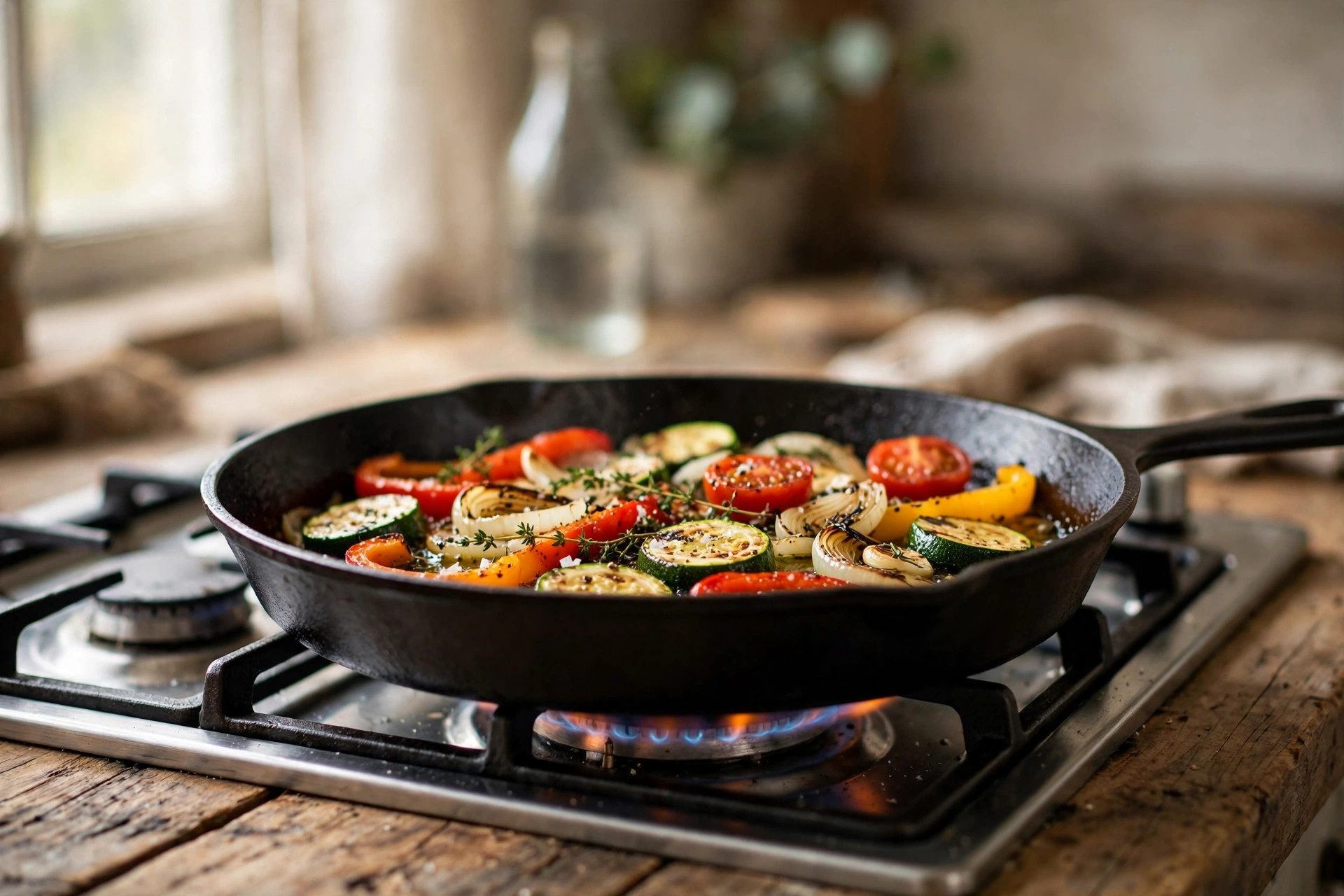
Preheat properly, use enough fat, and let food release naturally. Cold food on a cold pan sticks.
Uneven heating
Thin bases create hot spots. Clad or thick bases heat evenly and are worth the cost.
Handles get hot
Metal handles conduct heat. Use a mitt or choose handles rated for your oven use.
Pieces warp
Rapid temperature changes warp thin pans. Let pans cool before washing and avoid extreme heat shocks.
VIP pick — the winner is inside2027
Still deciding? Reveal the No. 1 pick.
The ranked roundup hides its winner until you tap — then shows the full ranking, the checks, and what to verify before buying.
Best Cookware Sets →Browse all reviews
Independent · Reader-supported · No paid placements — every pick links to its full review.
 The winner is inside
Repair or replace?
Repair when the problem is a single worn part, a cleaning issue or a settings mistake — most cookware sets problems are. Replace when the core structure, coating or motor is failing, when spare parts are unavailable, or when repair costs approach the price of a new unit. Safety faults — damaged cords, cracked housings, electrical smells — always mean stop using the item and replace it.
Frequently asked questions
Is a set cheaper than buying pieces?
Usually, yes — but only if you use most pieces. Unused pieces erase the saving.
Can I mix materials?
Yes. Many cooks prefer stainless for sauces, cast iron for searing and nonstick for eggs.
How do I stop food sticking to stainless?
Preheat the pan, add oil, let it shimmer, then add food. Let food release on its own before turning.